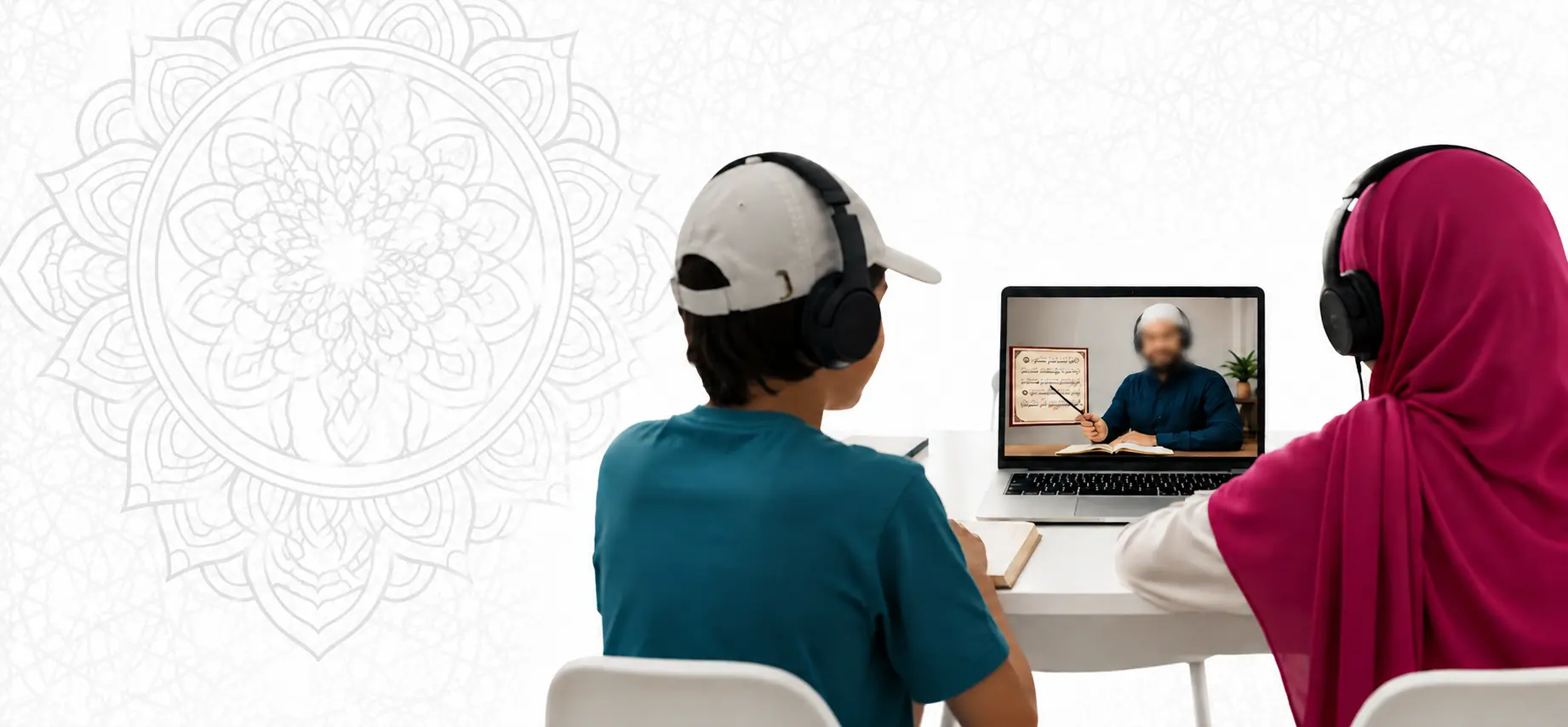
In this guide, you’ll learn what a quran memorization teacher does, why memorization supports quran reading, and how to choose a trusted teacher in an online quran academy—plus simple steps for parents who want to help at home.
Quran Memorization Teacher : What They Actually Do?
Quick answer: A quran memorization teacher (Hifz teacher) is a trained instructor who helps a student memorize Qur’an with correct recitation, a revision system, and consistent testing—so memorization stays strong over time.
A great teacher is not only “someone who listens.” They usually do three key jobs:
- Protect correct recitation
- They correct pronunciation Quran mistakes early (makharij, Tajweed rules, pacing).
- This matters because you memorize what you repeatedly say.
- Build a clear memorization plan
- A serious Hifz plan includes new memorization and structured revision.
- Create accountability (without harshness)
- Students stay consistent when someone kind—but firm—expects progress.
And yes, Islamic motivation matters too. The Prophet ﷺ said: “The best among you are those who learn the Qur’an and teach it.” That’s a powerful reminder that learning with a teacher is a noble path.
Learn Arabic Online course with Quran From Home
Why Quran Memorization Matters And How It Supports Quran Reading?
Many parents think memorization is separate from reading. In reality, quran memorization and quran reading strengthen each other.
When a child memorizes:
- They repeat verses daily (which improves fluency).
- They naturally learn common word patterns in Arabic.
- They become faster at recognizing letters and rules—especially when Tajweed is taught alongside memorization.
For non-Arabic speakers, memorization also builds a lifelong connection. Even if a student starts small (Juz ‘Amma), the habit becomes part of prayer and daily life.
Read more: How to Learn Quran Online Effectively
Rules of Choosing the Right Quran Memorization Teacher
If you only skim one section, skim this.
Here’s a parent-friendly checklist for choosing a memorize quran online teacher through quran classes online:
1) Verify real Tajweed skill (not just “Hafiz”)
A Hafiz may be excellent, but you still want:
- Clear recitation you can hear (ask for a short sample)
- The ability to correct mistakes gently, letter-by-letter
2) Ask about their memorization method (revision is the test)
Strong teachers can clearly explain:
- How much is new per day/week
- How revision is scheduled
- How they test and re-test older portions
This is not just “religious tradition.” Learning research consistently finds that spaced practice (distributed practice) improves long-term retention compared to cramming. That’s basically the science version of “daily revision.”
3) Make sure they can teach kids
A child needs:
- Short steps
- Positive feedback
- Consistent routine
- A teacher who understands attention span and motivation
4) Prioritize safety and parent visibility in online Quran classes
If lessons are online, follow best practices:
- Parent can join the call or check in anytime
- Lessons occur in an open space at home
- Clear boundaries and professionalism
Read more: Beginner Quran Lessons for Converts: Start Your Journey with Confidence
What Great Online Quran Classes Look Like?
A good online quran academy doesn’t “wing it.” It runs a system.
Many structured programs explain memorization in three parts:
- New lesson (new lines memorized)
- Recent revision (the last few lessons)
- Old revision (everything memorized earlier—this is what prevents forgetting)
This approach also matches what serious Hifz programs promise: revision techniques, Tajweed support, and progress tracking.
If your child is still shaky in reading, don’t panic. The best teachers strengthen reading alongside memorization so the student doesn’t memorize incorrect sounds.
Read more: How to Apply Noon Sakinah Rules in Tajweed?
Practical Tips: How to Teach Your Child to Memorize Quran at Home (10 Minutes/Day)
Parents often ask how to teach children Quran memorization when they’re not experts. You don’t need to be a Tajweed teacher. You need a simple support routine.
Try this 10-minute plan (daily, after Maghrib or before bed):
- 2 minutes: Listen
- Play the assigned ayah from a clear reciter.
- 4 minutes: Repeat with the child
- Child repeats phrase-by-phrase (don’t correct everything—save major issues for the teacher).
- 2 minutes: “Close the mushaf” test
- Child recites without looking.
- 2 minutes: Review yesterday
- Quick review is where memorization becomes stable.
This is also the simplest answer to how to teach your child to memorize quran without turning the home into a classroom.
Learn Tilawah & Tajweed Maste with Quran From Home
FAQs
1) Do I need a quran memorization teacher, or can we do it alone?
You can start small at home, but a quran memorization teacher is the fastest way to keep pronunciation correct and revision consistent.
2) What age should kids start Quran memorization?
Many families start with short surahs once reading basics are stable. The best timeline depends on the child’s readiness and consistency.
3) How often should my child meet the teacher?
Many online programs run 2–5 sessions per week depending on goals and schedule.
4) What should I look for in online quran classes?
Look for 1:1 correction, clear milestones, revision tracking, and parent communication.
Conclusion: Start with Quran From Home
The right quran memorization teacher makes memorization feel doable—because it becomes a plan, not a wish. With steady revision, strong quran reading, and corrected pronunciation Quran, students build memorization that lasts.
At Quran From Home, our online quran classes are built for non-Arabic speakers in the USA, UK, Canada, and Australia—kids, teens, and adults. Start with a free trial, get matched with the right teacher, and follow a flexible Hifz plan that fits real family life.