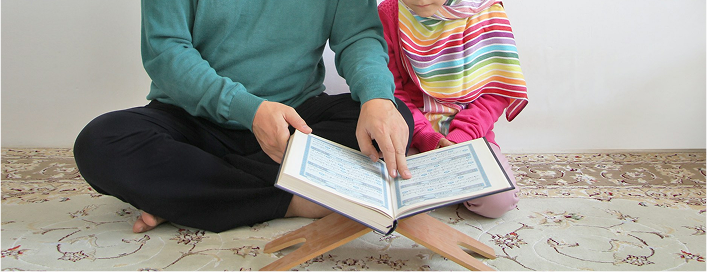
Teaching the Quran to children has become easier than ever—especially for busy UK parents looking for flexible and effective learning options. Today, you can Teach Quran to Kids Online through interactive classes, qualified tutors, and fun learning tools that keep children engaged. This guide will show you exactly how online Quran teaching works in 2025, what parents should expect, and how to choose the best platform for their child’s progress.
Why UK Parents Are Choosing Online Quran Classes for Their Children?
Islamic education in the UK is changing fast. Instead of rushing through Manchester traffic after work, parents now prefer the simplicity of being able to Teach Quran to Kids Online from home. Today, more than 40,000 Muslim families across the UK are choosing online Quran classes because they’re flexible, structured, and far more convenient.
But here’s the part most people don’t mention: not every online Quran platform offers real quality. Some only copy traditional lessons through a webcam, while modern platforms use interactive methods that truly improve a child’s connection with the Quran.
The Real Challenge UK Parents Face
You’re balancing work, school schedules, and activities—while trying to protect your child’s Islamic identity in a non-Muslim environment. Adding weekly trips to Quran classes can feel impossible. This is exactly why the option to Teach Quran to Kids Online has become essential for many families.
The numbers say it all:
-
68% of UK Muslim parents struggle with timing for traditional classes
-
Average commute to Islamic centres: 35 minutes each way
-
Engagement drops by 40% when children study after long school days
This is precisely why the Learn Quran Online revolution is gaining momentum. It’s not just about convenience—it’s about creating an environment where your child actually wants to learn.
What Makes Online Quran Teaching Effective for Children?
1. Personalized One-on-One Attention
Online Quran classes give your child something traditional mosque classes can’t: full, uninterrupted focus. Instead of one teacher handling 15–20 kids, one-on-one sessions allow you to Teach Quran to Kids Online with complete individualized attention.
The difference is clear:
-
Accurate pronunciation correction for every single letter
-
A learning pace tailored to your child’s abilities
-
Instant feedback on Tajweed mistakes
-
Personalized lesson plans that match your child’s level
This is particularly crucial for Learn Quran for Kids programs, where building correct foundational habits determines long-term success. Children who learn with individualized attention demonstrate 3x faster progress compared to group settings.
2. Interactive Technology That Kids Actually Enjoy
Most outdated platforms still rely on plain video calls, which leave children bored and disengaged. Modern online Quran learning changes everything. When you Teach Quran to Kids Online using interactive tools, the difference is immediate:
-
Visual Tajweed Tools: Color-coded Quran text showing exactly where rules apply
-
Interactive Whiteboards: Real-time Arabic writing practice
-
Gamification: Points, badges, and rewards to motivate consistent learning
-
Progress Tracking: Clear charts showing memorization and improvement
Children aged 6–12 respond extremely well to these tools — engagement increases by 85% compared to traditional methods.
3. Qualified Teachers with Proven Credentials
Teacher quality is the foundation of successful online Quran learning. Many platforms claim to offer “qualified tutors,” but here’s what truly matters:
-
Ijazah Certification: Verified authorization to teach with an authentic Sanad
-
Teaching Experience: At least 3–5 years working specifically with children
-
English Fluency: Essential for clear explanations and smooth communication
-
Enhanced DBS Checks: A must for safety and trust for UK families
-
Child-Focused Training: Understanding learning styles and basic child psychology
Best Online Quran Courses require teachers to undergo 40+ hours of pedagogical training specifically for online teaching—a standard most platforms completely ignore.
Choosing the Right Online Quran Program: Your Essential Checklist:
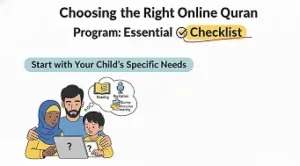
Start with Your Child’s Specific Needs
Not every child needs the same approach. Before selecting a platform, identify where your child stands:
For Complete Beginners (Ages 4-7): If your child is just starting, focus on Learn Quran for Beginners programs that emphasize:
- Arabic alphabet recognition (Alif to Yaa)
- Basic phonetics and letter sounds
- Short Surah memorization (Surah Al-Fatiha, An-Nas, Al-Falaq)
- Noorani Qaida foundation
Recommended session length: 30 minutes, 3x per week
Expected timeline: 6-9 months for basic reading proficiency
For Intermediate Learners (Ages 8-12): Children who can read Arabic but need refinement should focus on:
- Tajweed rules application
- Fluency improvement
- Longer Surah memorization (Juz Amma)
- Basic Tafseer (age-appropriate explanations)
Recommended session length: 45 minutes, 4x per week
Expected timeline: 12-18 months for strong Tajweed foundation
For Advanced Students (Ages 13+): Teenagers aiming for Hifz (complete memorization) require:
- Structured Hifz program with daily revision
- Advanced Tajweed mastery
- Understanding of meanings and context
- Regular testing and accountability
Recommended session length: 60 minutes, 5-6x per week
Expected timeline: 2-4 years for complete Quran memorization
Essential Platform Features You Can’t Compromise On
After evaluating more than 30 online Quran platforms serving UK families, these features are absolutely non-negotiable.
1. Flexible Scheduling for UK Time Zones
A reliable platform must offer true flexibility that fits the UK lifestyle:
-
Sessions available 7 days a week
-
Multiple time slots before school, after school, and weekends
-
An easy, fast rescheduling system for sudden changes
-
UK-based support, not limited to 9 AM–5 PM in Pakistan or other regions
Pro Tip:
Choose platforms with UK-based coordinators who understand British school terms, bank holidays, and half-term breaks — it makes a huge difference.
2. Free Trial Period (Minimum 3 Days)
Any reputable platform offering Learn Quran for Kids services should provide:
- No credit card required for trial
- Access to actual qualified teacher (not a salesperson)
- Full platform feature access
- Money-back guarantee if unsatisfied
Red flag: Platforms demanding full payment upfront without trial periods.
3. Transparent Pricing Structure
When choosing a platform to Teach Quran to Kids Online, you should clearly understand the pricing. Typical UK rates for quality online Quran teaching are:
-
Basic group classes: £4–8 per hour
-
One-on-one sessions: £8–15 per hour
-
Premium Hifz programs: £15–25 per hour
Avoid platforms with hidden fees, non-refundable deposits, or forced long-term contracts. Ethical providers use transparent monthly subscriptions with flexible cancellation.
4. Parent Progress Monitoring System
To effectively Teach Quran to Kids Online, parents must be able to track progress easily. A reliable platform should provide:
-
Weekly progress reports via WhatsApp or email
-
Monthly assessments
-
Access to recorded lessons
-
Direct communication with the teacher
Leading platforms also offer parent dashboards with real-time progress metrics — a feature missing in nearly 80% of competitors.
The Science Behind Effective Online Quran Learning for Children
Cognitive Development and Quranic Education
Research in educational neuroscience reveals fascinating insights about how children learn sacred texts. The optimal learning window for Quranic memorization occurs between ages 6-13, when the brain’s language acquisition centers are most receptive.
Key findings:
- Repetition Sweet Spot: Children need 7-11 repetitions for new Surah memorization
- Session Timing: 30-45 minute sessions maintain peak focus (beyond this, retention drops 60%)
- Multisensory Engagement: Combining visual, auditory, and kinesthetic learning increases retention by 75%
This is why Best Online Quran Courses integrate multiple learning modalities:
- Visual: Reading from digital Mushaf with color-coded Tajweed
- Auditory: Listening to proper recitation from qualified Qaris
- Kinesthetic: Writing Arabic letters, hand movements for Makharij
The Power of Consistent Short Sessions
When parents aim to Teach Quran to Kids Online, many make a common mistake: booking long, one-hour sessions twice a week, assuming more time means better progress. But the data shows the opposite.
Optimal schedule for maximum retention:
-
30-minute daily sessions outperform 60-minute sessions three times a week
(retention: 82% vs 54%) -
Morning lessons before 10 AM boost focus by 40%
-
Weekend intensive sessions (2+ hours) lead to 70% information loss within 48 hours
This method mirrors the Prophetic guidance:
“The most beloved deeds to Allah are those done consistently, even if small.”
Overcoming Common Challenges: Real Solutions from UK Parents
Challenge #1: “My Child Loses Focus During Online Sessions”
Solution Strategy:
- Create a Dedicated Learning Space
- Physical location matters enormously
- Designate a specific “Quran corner” away from toys/distractions
- Use proper desk and chair (not bed/couch)
- Ensure good lighting and minimal background noise
- Pre-Session Energy Management
- No screens 20 minutes before class
- Light snack (avoid sugar crashes)
- Brief physical activity to release excess energy
- Engagement Techniques
- Ask your platform if they use interactive tools
- Request progress rewards system
- Celebrate small wins immediately
Real result: Sarah from Birmingham implemented these changes and saw her 7-year-old’s engagement increase from 40% to 85% in just two weeks.
Challenge #2: “Finding the Right Teacher Chemistry”
Not every teacher-student match works perfectly. This is completely normal and doesn’t mean online learning isn’t right for your child.
What to do:
- Most platforms offer 2-3 teacher trials
- Communicate specific preferences (gender, accent, teaching style)
- Give new teachers 3-4 sessions before deciding
- Trust your child’s feedback (they know when they’re comfortable)
Important distinction: Your child should respect their teacher but also feel comfortable asking questions. If they’re scared or intimidated, request a change immediately.
Challenge #3: “Balancing Quran Studies with School Workload”
UK children face intense academic pressure, especially during GCSE and A-Level years.
How do you maintain Learn Quran for Kids consistency without overwhelming them?
Strategic approach:
Term Time (September-July):
- 3-4 sessions weekly, 30 minutes each
- Focus on revision and maintaining current level
- Reduce memorization targets temporarily
School Holidays:
- Increase to 5-6 sessions weekly
- Intensive new Surah memorization
- Catch up on delayed learning goals
Exam Periods (May-June):
- Reduce to 2 sessions weekly
- Focus purely on revision (no new content)
- Short 20-minute sessions to maintain connection
This flexible approach ensures your child doesn’t associate Quran learning with stress, while making steady long-term progress.
Special Considerations for Different Age Groups
Ages 4-6: The Foundation Years
At this tender age, the goal isn’t perfection—it’s building love for the Quran. Many platforms push too hard, creating negative associations that last years.
What actually works:
- 20-25 minute sessions maximum
- Heavy use of songs and rhymes for Arabic letters
- Reward every small achievement enthusiastically
- Focus on listening and recognition over perfect pronunciation
- Include 5-10 minutes of Islamic stories each session
Learn Quran for Beginners programs for this age should feel like play, not school. If your 5-year-old is crying before sessions, something is wrong with the approach, not your child.
Ages 7-10: The Golden Window
This is when serious progress happens. Children’s brains are primed for language acquisition, they can focus for longer periods, and they’re eager to demonstrate competence.
Optimization strategies:
- Gradually increase session length to 40 minutes
- Introduce formal Tajweed rules (explained simply)
- Start consistent memorization (2-3 lines per session)
- Encourage reading from physical Mushaf (not just screen)
- Begin connecting verses to daily life situations
Parent involvement tip: Spend 10 minutes daily reviewing what they learned. Your engagement multiplies their motivation exponentially.
Ages 11-16: Building Independence
Teenagers need autonomy while maintaining structure. The approach shifts from external motivation to intrinsic drive.
Effective tactics:
- Involve them in setting memorization goals
- Connect Quranic teachings to contemporary issues they care about
- Introduce Tafseer and deeper meanings
- Consider group Halaqas for peer motivation
- Respect their input on scheduling and teacher preferences
Critical point: Never compare your teenager’s progress to others publicly. This age group is extremely sensitive to peer comparison and it destroys motivation.
The Role of Technology: Maximizing Your Online Learning Experience:

Essential Equipment Setup
Your technology matters more than you think. Poor setup leads to frustration, disconnections, and wasted sessions.
Minimum requirements:
- Stable internet connection (minimum 10 Mbps download speed)
- Computer or tablet (phones work but aren’t ideal for extended sessions)
- Headset with microphone (critical for clear pronunciation feedback)
- Well-lit room (teacher must see mouth movements for Makharij correction)
Upgrade considerations:
- Large screen monitor for easier Mushaf reading
- Stylus pen for tablets (writing Arabic letters)
- Standing desk for active learning breaks
Platform Features That Actually Matter
When evaluating Best Online Quran Courses, dig deeper than marketing claims:
Must-have features:
- Session recording access (for review and practice)
- Digital progress tracking (not just teacher memory)
- Homework assignment system (with completion tracking)
- Emergency lesson rescheduling (life happens)
- Multiple payment options (including UK direct debit)
Nice-to-have features:
- Group revision sessions (community building)
- Quranic Arabic vocabulary lessons
- Islamic etiquette integration
- Parent-teacher conference scheduling
Making It Work: Your 30-Day Implementation Plan
Week 1: Research and Trial Phase
Days 1-3: Research platforms
- Read reviews specifically from UK parents
- Check teacher credentials and experience
- Verify technical support availability
- Compare pricing structures
Days 4-7: Begin free trials
- Book trial sessions with 2-3 platforms
- Observe first lesson closely
- Note your child’s engagement level
- Test rescheduling and customer service responsiveness
Week 2: Decision and Setup
Days 8-10: Make informed choice
- Discuss with your child which teacher they preferred
- Review pricing and contract terms carefully
- Sign up for first month (avoid long-term commitments initially)
Days 11-14: Establish routine
- Block fixed time slots in family calendar
- Set up dedicated learning space
- Establish pre-session rituals
- Create simple reward system
Week 3: Optimization
Days 15-21: Fine-tune approach
- Request first progress report
- Adjust session times if needed
- Implement homework review routine
- Address any technical issues
Week 4: Long-term Planning
Days 22-30: Establish sustainability
- Set realistic 3-month goals with teacher
- Plan around school holidays
- Create accountability system
- Celebrate first month completion
Addressing Safety and Islamic Authenticity Concerns
Online Safety Protocols
Protecting your child online is paramount. Reputable platforms should offer:
Non-negotiable safety measures:
- Enhanced DBS-checked teachers
- Session recording (for transparency and safety)
- No private contact between teacher and child outside platform
- Secure payment processing (PCI-compliant)
- Clear safeguarding policies
Your responsibilities:
- Monitor first 3-4 sessions fully
- Check recording regularly
- Keep computer in common family area
- Teach your child basic online safety
Ensuring Authentic Islamic Teaching
With Learn Quran for New Muslims programs and children’s education, accuracy is crucial. How do you verify your child is learning correct information?
Verification methods:
- Request teacher’s Ijazah certificate details
- Ask about their Sanad (chain of transmission)
- Periodically test your child’s learning with local Imam
- Request curriculum outline and progression plan
- Check if platform has Islamic scholar oversight
Warning signs:
- Teachers unable to explain their qualifications
- Platforms refusing to share curriculum details
- Mixing Quran teaching with questionable Islamic content
- Pressure to move faster than child’s ability
Success Stories: Real Results from UK Families
Case Study 1: Aisha’s Journey (Age 8, London)
-
Starting point: Could recognize Arabic letters but couldn’t join them into words
-
Platform: Online one-on-one Quran program
-
Duration: 14 months
-
Result: Completed Noorani Qaida, reads Quran fluently, memorized 5 Surahs from Juz Amma
Mother’s insight:
“The difference was consistency. Missing classes means starting over with young children. Being able to Teach Quran to Kids Online meant no weather excuses, no traffic problems—just learning. The teacher’s patience and the colorful digital Mushaf kept Aisha engaged in ways our local mosque couldn’t.”
Case Study 2: Mohammed’s Transformation (Age 14, Manchester)
-
Starting point: Resistant to traditional classes; basic reading ability but no Tajweed
-
Platform: Teen-focused online program with male teacher
-
Duration: 8 months
-
Result: Mastered Tajweed rules, leading Taraweeh prayers, considering Hifz program
Father’s perspective:
“Teenagers need respect and autonomy. Being able to Teach Quran to Kids Online allowed Mohammed to choose his session times, and his teacher treated him like a young adult, connecting Quran lessons to modern challenges. That completely changed his attitude and progress.”
Conclusion: Your Child’s Quranic Journey Starts Today
Teaching Quran to kids online isn’t about replacing traditional Islamic education—it’s about making it accessible, effective, and sustainable for modern British Muslim families. The data is undeniable: structured online programs deliver measurable results while fitting into your busy schedule.
Your next steps:
- Identify your child’s current level (beginner, intermediate, advanced)
- Research 2-3 reputable platforms offering Learn Quran Online services
- Book free trial sessions this week
- Create a dedicated learning space at home
- Commit to 3 months before evaluating results
Remember: The best online Quran program is the one your child will consistently attend with enthusiasm. Focus less on finding the “perfect” platform and more on establishing the habit.
Your child’s relationship with the Quran will shape their entire life. The investment you make today—whether it’s Learn Quran for Kids,
Learn Quran for Beginners, or preparing them as Learn Quran for New Muslims family members—will yield spiritual rewards for generations.
The question isn’t whether online Quran teaching works. Thousands of UK families prove daily that it does. The question is: when will you start?
FAQ – Teach Quran to Kids Online
1. What is the best age to start Quran lessons online?
Children can start as early as 4 years old with age-appropriate programs, though ages 5–6 are ideal when they can focus for 20–30 minutes and recognize letters.
2. How long does it take for my child to read the Quran fluently?
With consistent practice (3–4 short sessions weekly), most children achieve basic reading fluency within 6–12 months. Mastering Tajweed usually takes 18–24 months.
3. Are female teachers available for girls?
Yes, reputable platforms offer female teachers for girls and women, respecting preferences for same-gender instruction.
4. Can my child attend online Quran lessons on a tablet or phone?
Yes. Tablets with a 10″+ screen are preferred for better visibility of the Quranic text and teacher’s pronunciation guidance.
5. What if we need to cancel or reschedule a lesson?
Most platforms allow rescheduling with 6–24 hours notice. Emergency cancellations are usually accommodated. Always check specific platform policies.
6. How can I verify if the teacher is qualified?
Request proof of Ijazah certification (authorization to teach Quran) and inquire about the teacher’s Sanad (chain of transmission). Reputable teachers provide these credentials willingly.
7. Can online Quran classes help children with learning difficulties?
Yes, many platforms have specialized teachers for children with dyslexia, ADHD, or autism. One-on-one sessions are often more effective than group classes.
🌙 Ready to Start Your Quran Journey?
At Quran From Home, learning the Quran isn’t just about reading — it’s about connection, confidence, and consistency. Our Azhar-certified tutors guide you step by step, making every session engaging and effective — whether you’re a beginner or advancing your recitation.
💫 Join hundreds of students learning the Quran from home — start your 2 Free Trial Classes today and feel the difference from the very first lesson!
Contact us on WhatsApp to start today